Passive Infrared (PIR)#
Passive Infrared (PIR) sensors are one of the most common types of motion sensors used in household electronics today due to their simplicity and low cost. As mmWave radar technology has advanced over the last decade and the costs of mmWave radar sensors have decreased, comparisons between the two sensing modalities have naturally been drawn. While PIR has some advantages, mmWave radar can become a very compelling alternative as the solution costs get closer to one another.
PIR sensors are based on Wien’s displacement law, which states that black-body radiation curve for different temperature will peak at different wavelengths that are inversely proportional to the temperature. So when the infrared spectrum is monitored, objects of different temperature will radiate different levels of energy. Infrared imaging systems utilize this same principle, which serves as a easy way to visualize what infrared sensors can detect, as shown in Figure 1
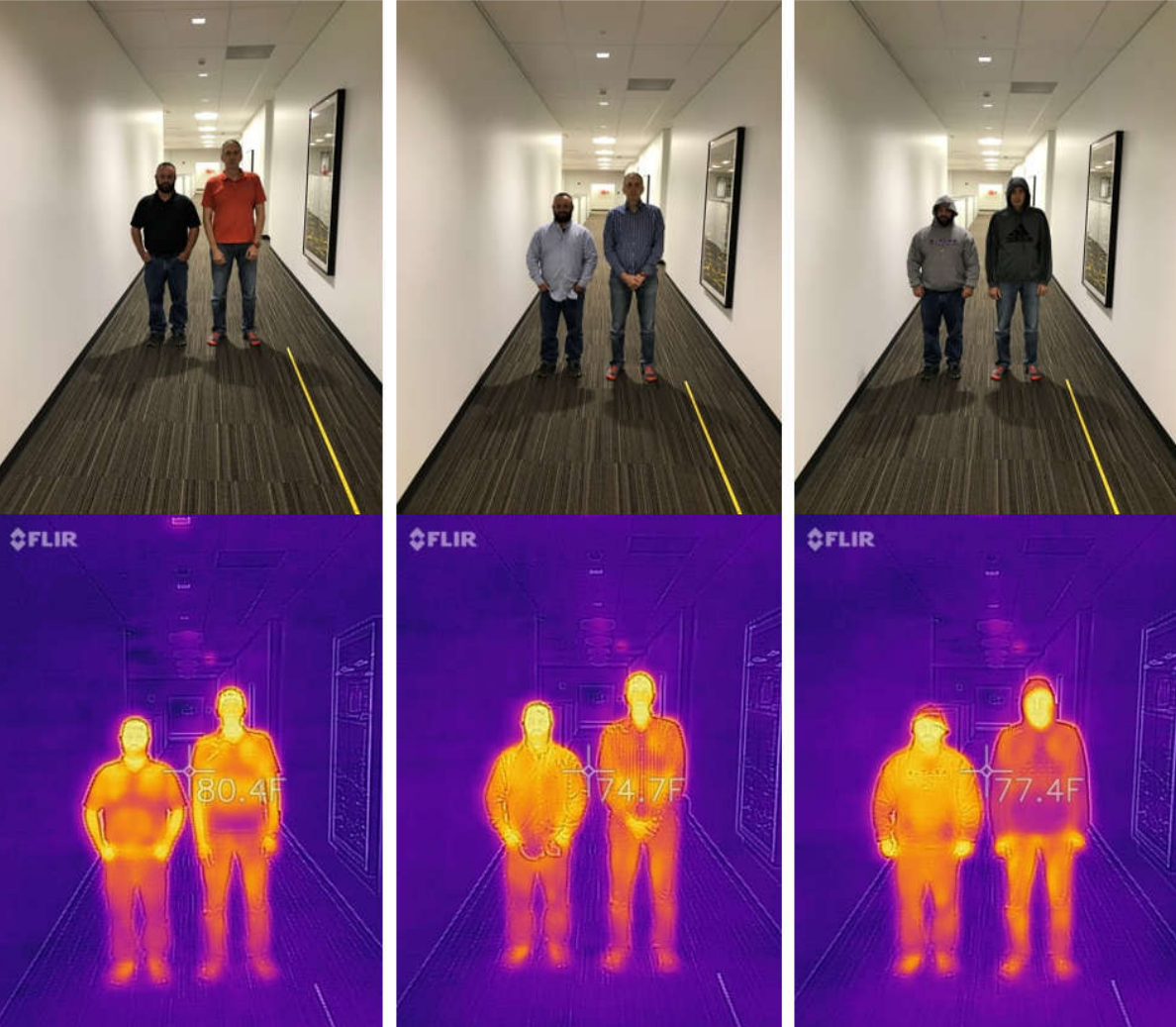
Figure 1. Infrared images taken via a FLIR camera#
Sensor Output#
While the infrared images in Figure 1 are taken from thermal cameras which have ten’s of thousands of sensing elements (each being one pixel), a typical PIR sensor will only have 2 sensing elements. The two sensing elements allow a PIR sensor to get a sense of the direction of the motion by looking at combined waveform generated by the elements, as shown in Figure 2.
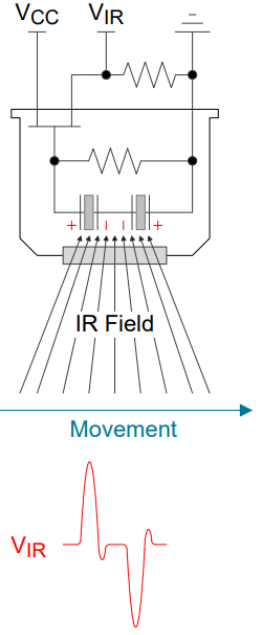
Figure 2. PIR Motion Sensor Illustration#
As a person moves across both fields of view, the sensor will output a wave form from the sensing elements as the person passes from one sensor elements FOV through the next one. Some examples of different scenarios and their waveforms are shown below in Figure 3. From these waveforms, some coarse information can be determined for the range, direction, and speed of a person.
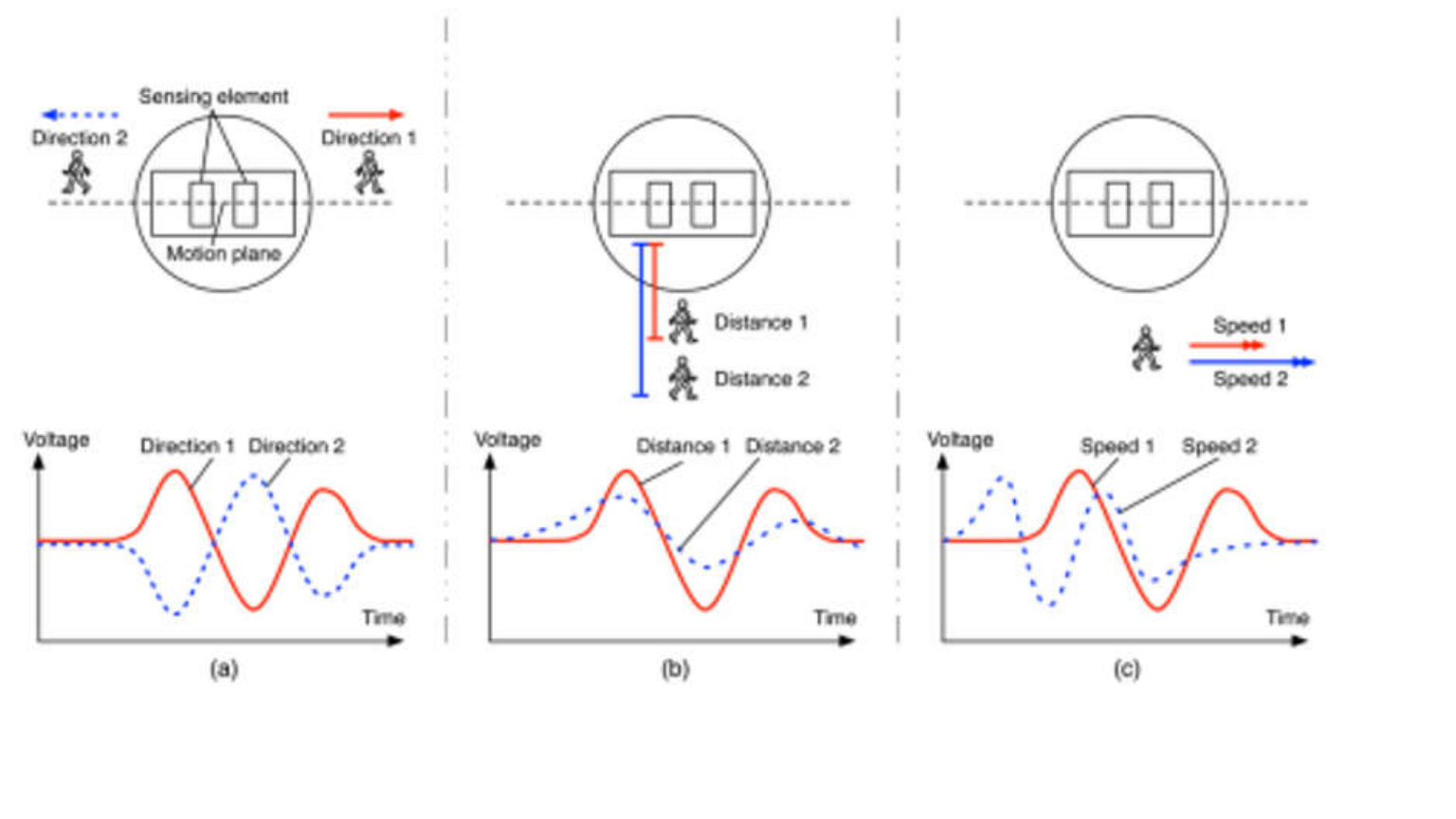
Figure 3. PIR Sensor Output Signal Examples#
In contrast to this, mmWave radar sensors are able to detect and differentiate dozens of different points and provide their 3D coordinates as well as their doppler information. The detail and volume of data provided by mmWave radar sensors enables even more advanced processing techniques and algorithms to be leveraged to enable even more applications such as gesture recognition, human vs non-human classification, or vital signs monitoring. More information on radar data can be found in the What Does Radar Data Look Like? module of the Radar Academy.
Limitations Of Infrared Sensors#
Since PIR sensors require the measurement of infrared energy which is inherently dependent on thermal properties of the environment, there are several limitations which can cause either false detections or missed detections when using a PIR sensor.
PIR sensors rely on there being a difference in the thermal energy of a person and that of the environment surrounding them. As environmental temperatures approach the temperature of the human body, it can become challenging for thermal-based sensors to detect people accurately. This can be illustrated by looking at Infrared images of these environments, as shown in Figure 4. In contrast, temperature changes in the environment have negligible impacts on mmWave radar sensors.
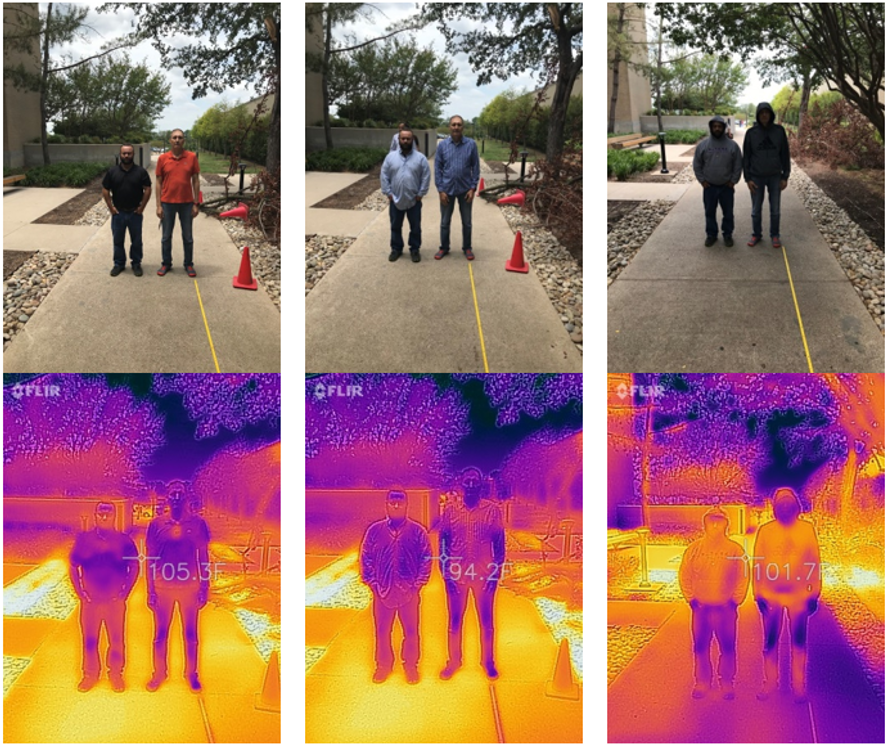
Figure 4. Infrared images taken outdoors via a FLIR camera#
Additionally, the Infrared signature of a person can be obstructed by thicker clothing which act as thermal insulation. This can be seen by comparing the first two images of Figure 4 with the third image, where the targets are wearing thicker jackets. In contrast, mmWave radar sensors are able to penetrate the clothing and detect the micro-doppler signatures of the person’s body, even if they are standing completely still.
PIR sensors which are used outdoors can also be negatively impacted by the weather of the environment. Direct sunlight can cause the sensor or its housing to heat up, which can cause inaccuracies in its detection performance. Additionally, dust can settle on the housing of the sensor which can impact the detection performance. Neither of these factors impact mmWave radar sensors due to their higher environmental robustness.
PIR sensors can be easily triggered by environmental noise, such as a car passing by, due to the difference in thermal energy perceived. This leads to a high false detection rate and wasted power. In contrast, mmWave radar can identify when a motion is outside the zone of interest, thus minimizing false detection.
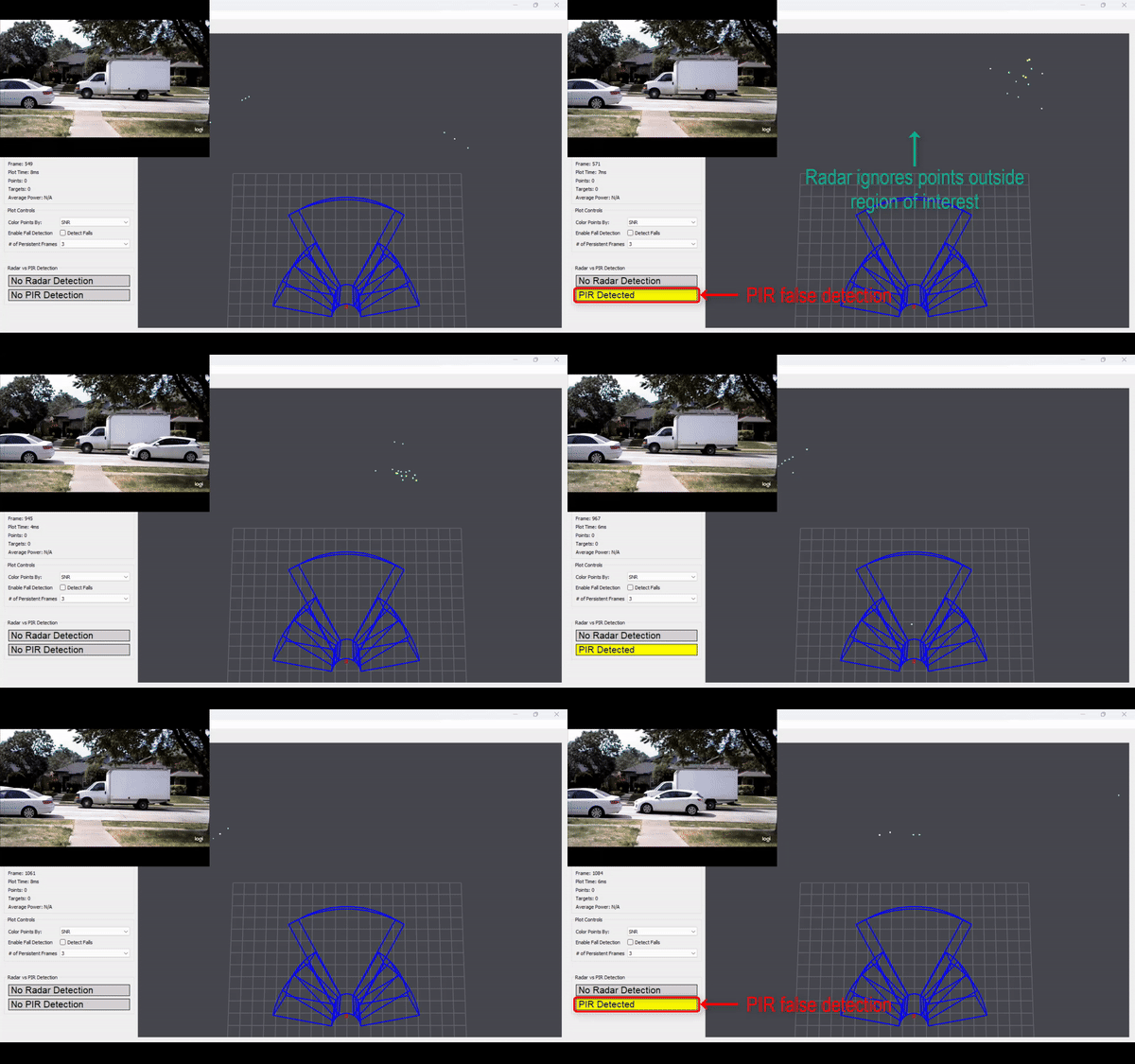
PIR triggered by passing cars outside#
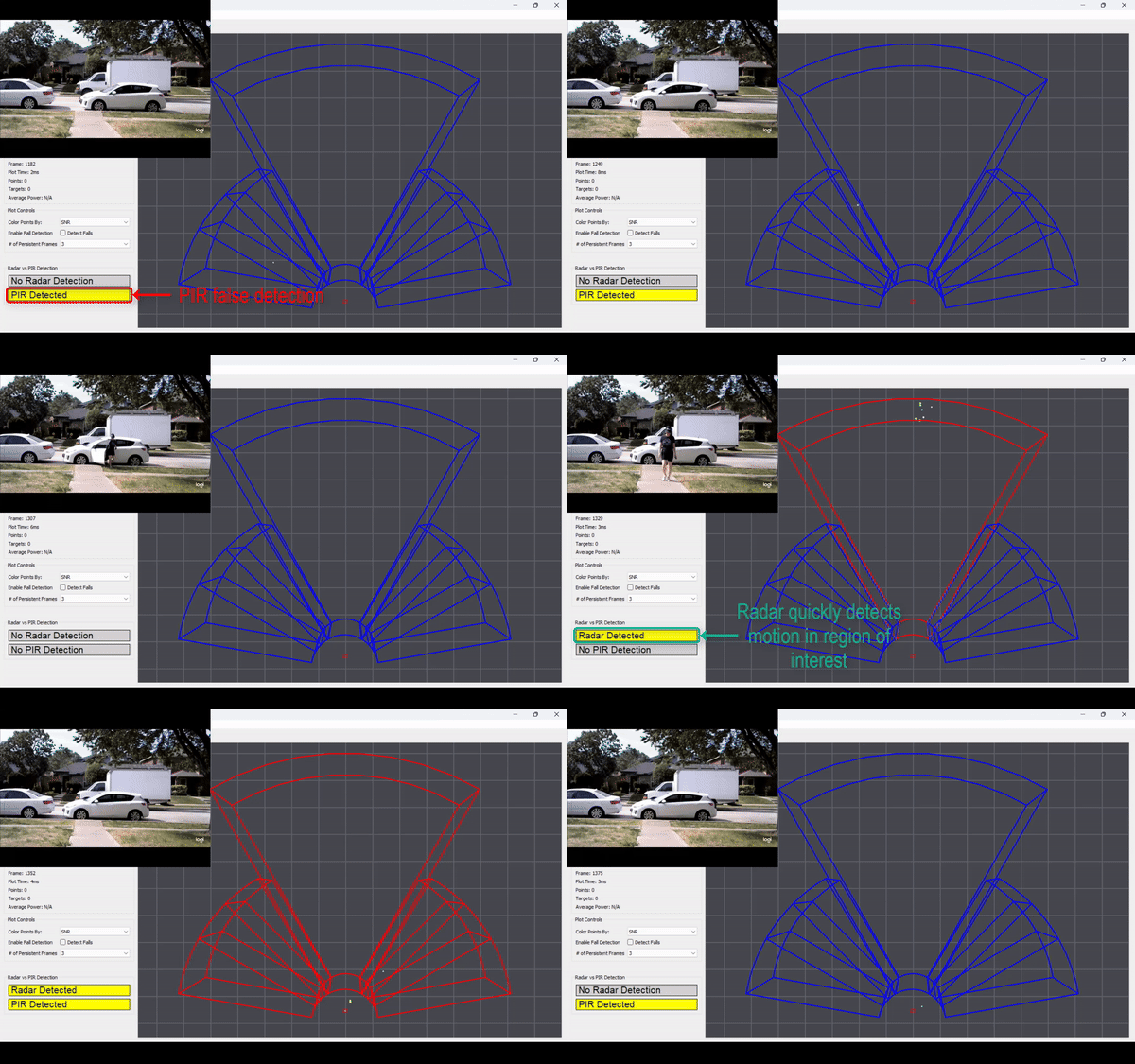
Because a PIR sensor detects motion as a target moves across the fields of view of the sensing elements, it can sometimes struggle to identify when a person approaches head-on. Meanwhile, mmWave radar is able to detect targets approaching from various angles within a wide field of view and range.
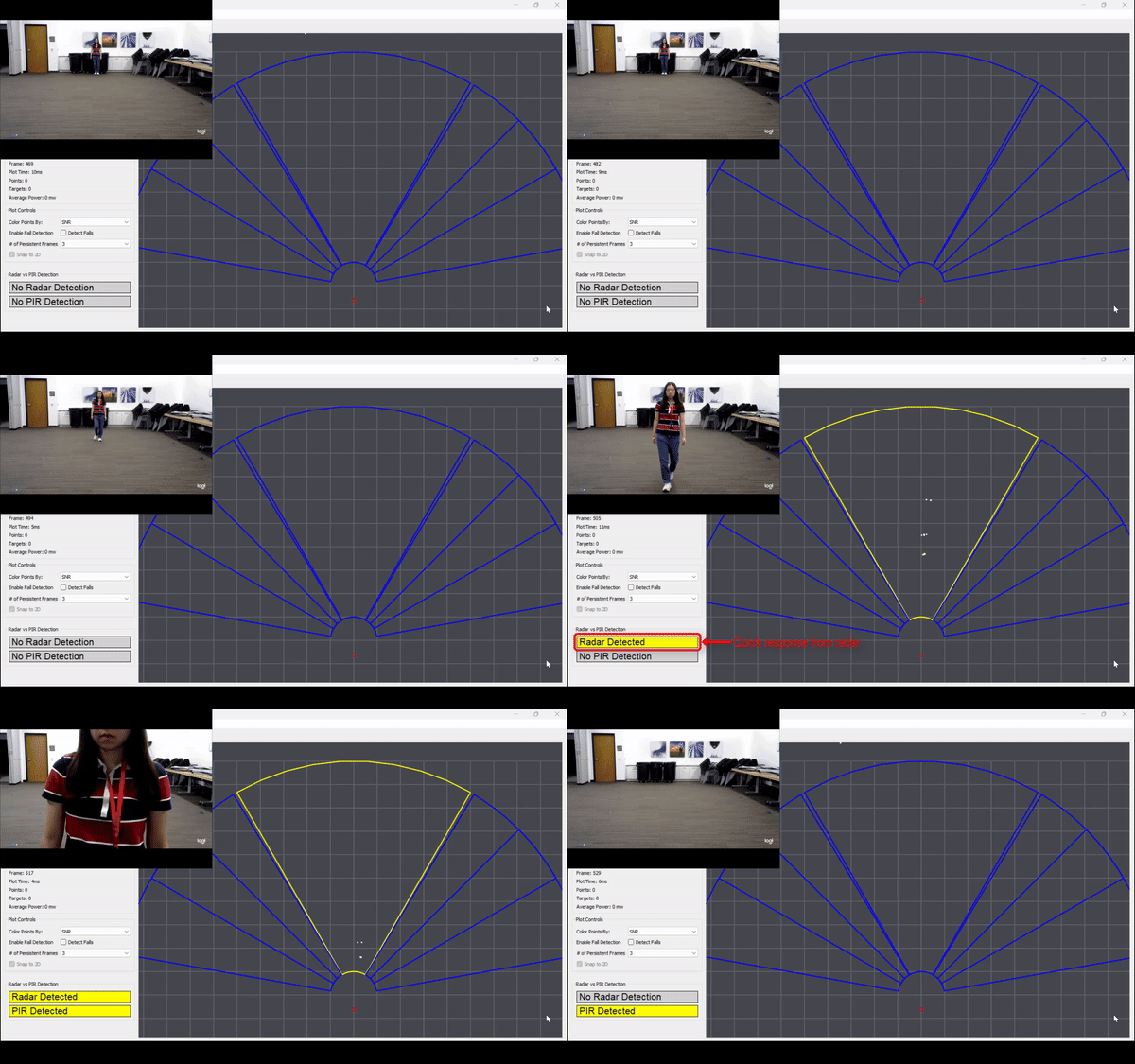
PIR struggles to detect when approaching head-on#
Form Factor#
The form factor of a PIR motion sensor is very different than that of an mmWave radar sensor. PIR sensors typically require the addition of a Fresnel lens, which focusses the Infrared energy onto the sensing elements. The lens used with a PIR sensor will determine its range and field of view, which will be inversely proportional to each other.
Lenses used for PIR sensors can present a challenge when it comes to the form factor of the product that they are implemented in. This requires the lenses to be integrated as a central part of the housing, and means that the entire product design was be partially built around the location of the PIR sensor and its lens. This limitation does not exist with mmWave radar sensors due to their inherent ability for the signals to penetrate through most materials. If using a PIR sensor to check for presence in a room, the sensor and its lens must be visible to the occupants of the space, while a mmWave sensor being used for the same application could even be placed behind the walls of the room.
Use Case: Overhead Lighting#
Motion-controlled lighting control is one of the most common applications of PIR sensors. However, the limitations of PIR sensing technology cause it to underperform in certain situations:
When a person first enters a room, PIR can have a much more delayed response than mmWave radar. This is due to the radar’s ability to detect people from multiple angles at a flexible range.

PIR can also cease to detect someone when they remain stationary for a long period of time. This leads to the common problem of lights turning off when people are still present but sitting still. On the other hand, mmWave radar continues to detect people when they are still by detecting very fine motions such as breathing and typing.

Similarly to when entering a room, PIR can have a more delayed response than mmWave radar to a person leaving the room. In contrast, mmWave radar’s accurate detection can be incorporated with lighting controls to only keep lights on when necessary.

Summary#
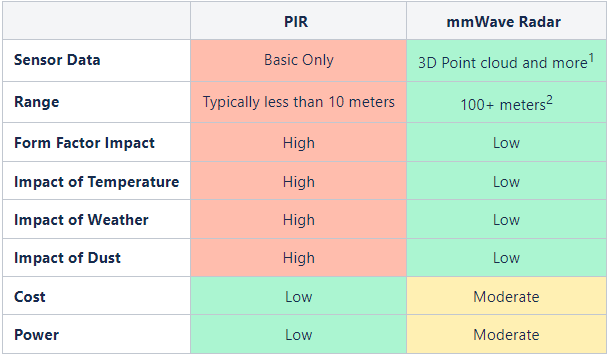
Figure 5. Summary table of PIR comparison with mmWave radar sensors#
More info on radar sensor output available in the Radar Academy module: What Does Radar Data Look Like?
Depending on device, antenna, target, and chirp configuration
Additional Resources#
Radar Academy Module: Fundamentals of FMCW
Radar Academy Module: Frequency Choice and Regulations Module
Radar Academy Module: What Does Radar Data Look Like?
TI E2E Blog Post: Catch your breath: Which is a better occupancy detector – mmWave or PIR?
TI Application Note: PIR Motion Detection With MSPM0
TI Application Report: Design of Ultra-Low Power Discrete Signal Conditioning Circuit for Battery-Powered Wireless PIR Motion Detectors
Innosent Blog Post: Motion detection face-off: PIR versus radar
Novelic Technology Overview: NoraSens Radar Sensor Technology